How engineering teams eliminate local hardware bottlenecks and streamline iOS development by moving to dedicated cloud-hosted Mac hardware.
Building and testing iOS applications on local development machines often creates a major operational bottleneck. Continuous Xcode compilations drain laptop batteries, generate high heat, and lock up CPU threads during active work hours.
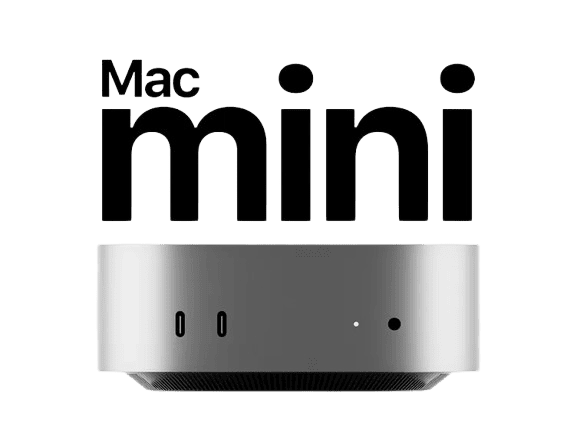
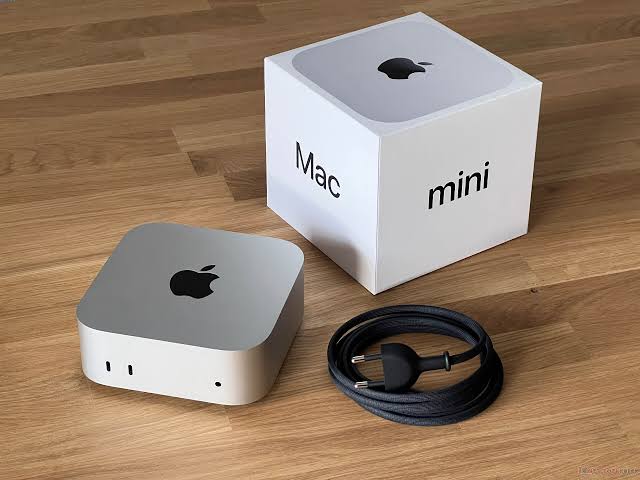
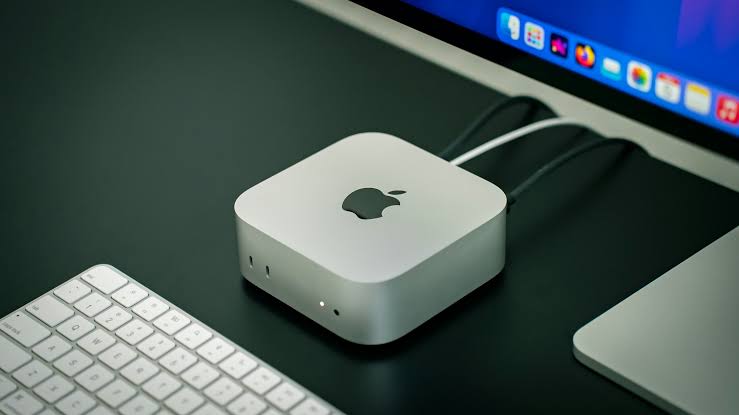
By offloading heavy build pipelines to a dedicated Mac Mini cloud node, development teams can keep local workstations fast, cool, and unthrottled while running automated background tasks around the clock.
The Limitations of Local Hardware
Relying entirely on local physical hardware for intensive development tasks introduces several everyday challenges:
- Thermal Throttling: Heavy compilation tasks cause laptop fans to run at maximum capacity, slowing down overall system multitasking.
- Hardware Maintenance Overhead: Managing physical desktop hardware in-house requires dealing with power supplies, cooling, and network maintenance.
- Scaling Constraints: Expanding build capacity locally means purchasing expensive physical machines that may sit idle during off-peak hours.
The Advantages of Dedicated Mac Cloud Nodes
Shifting your macOS build and testing environment to a professional cloud hosting provider introduces distinct operational benefits:
- Uninterrupted Performance: Dedicated Apple Silicon nodes handle parallel compilation and heavy project dependencies without impacting your daily workstation.
- Data Center Reliability: Cloud infrastructure provides redundant power, high-speed fiber connectivity, and proactive hardware replacement guarantees.
- Flexible Access: Distributed teams can securely connect to their remote macOS workspaces from any operating system, tablet, or laptop.
Optimizing Your Infrastructure with Blend Hosting
For engineering teams looking to adopt remote Apple hardware without managing physical equipment, Blend Hosting offers dedicated Mac Mini rental plans. Their nodes feature native Apple Silicon performance, fast SSD storage, and full administrative control via secure remote access protocols.
By moving continuous workloads to a dedicated remote environment, teams can eliminate hardware friction and focus entirely on building and shipping software products.
Conclusion
Transitioning to cloud-hosted Mac hardware offers a practical way to streamline mobile app development, protect workstation performance, and keep remote teams synchronized.
How does your team currently manage remote macOS infrastructure and build workflows? Let's discuss in the comments below!
Comments
Join the discussionNo comments yet. Be the first to comment.